Chad Clift - Preparing to Sell Your Restaurant
Chad Clift hopes that he will never have to sell his restaurant, the Swanky’s, but he is not naive enough to believe that it could never happen. Even successful restaurateurs can find themselves in a situation that would require selling their venture. When a business stagnates, or worse, it never really takes off, having these notions are obviously even more legitimate. Sometimes it comes down to it, and there is nothing anybody can do to avoid the painful solution.
Doing an Appraisal
There are four major aspects that influence the value of the establishment: location, architectural and infrastructural quality, the financial situation of the restaurant, and finally the management.
Location
One of the most obvious factors, the location of a restaurant highly influences its general productivity. An average location can be overcome with high quality food and good management, but being in a bad location likely forever hinders the development of the restaurant.
Presentation
The quality of the building and how well the kitchen and the dining area are situated within the restaurant, play a huge factor in the appraising process.
Management
If a restaurant has a quality management in place that creates a good team with certain camaraderie and willingness to go the extra mile for the others, these factors will raise the value significantly. A restaurant that is still under management is more valuable for a variety of reasons, one of them being flexibility. When someone buys a restaurant with the management intact, they can basically start their new business overnight. As of now, Chad Clift would almost certainly reject any offers for his restaurant, but certain factors could change his mind in the future.
Sources:
Chad Clift - Hiking Regulations at Yellowstone
Chad Clift loves the Yellowstone National Park for a variety of reasons, but mostly because of its unique atmosphere and amazing flora and fauna, which allows him to really get away from the everyday grind. Hiking in the park is one of the most profoundly coolest experiences a hiker can enjoy, but there are certain regulations that need to be followed and respected.
.jpg?timestamp=1477994702301)
Things One Cannot Do
The park completely prohibits people to do the following activities: following wildlife and purposefully remaining close to them, leaving boardwalks, throwing stuff in the thermal waters, swimming in the thermal waters, removing and possessing anything that can be considered a cultural source, leaving side mirrors attached when they are removable (this does not apply while pulling trailers), using a bicycle off the designated area, and spotlighting the animals (viewing them with the spotlights on).
Using Firearms in the Park
The February 22, 2010 federal law now allows people to carry firearms if they have an open carry permit for it. With that said, the visitors have the sole responsibility for being able to interpret and comply with the state laws and regulations. Yellowstone spans over three different states; Wyoming, Montana and Idaho, which means that one should be well-versed in the gun laws of these three states, especially since all three have different regulations in place. Even if one possesses an open carry permit, they are not allowed to have their gun on them in certain facilities of the park, including the government offices. Lastly, hunting and the discharge of the weapons remain outlawed in Yellowstone.
Chad Clift likes to revisit the park annually, discovering new hiking routes during the process.
Sources:
https://www.nps.gov/yell/learn/management/lawsandpolicies.htm
Chad Clift - How to Improve Your Cooking
Chad Clift is an expert chef who has his own restaurant in Mossyrock, Washington. As he so often experienced while being with his friends and family members, not to mention his beloved son, possessing cooking skills goes much beyond the realms of practicality. It brings groups together, giving them much needed cohesion. Bonding over food is a hundred thousand year old habit of the human race. Learning to cook at an adequate level is great, but the process doesn’t have to stop there. Regardless of their general skill level, one can always improve.
.jpg?timestamp=1477457064312)
Trying to Create Food from Scarce Ingredients
One of the best – and often funniest – exercises is trying to create quality food from limited ingredients. This improves one’s skill level because it forces them to think outside the box, to be creative and most of all, to create mistakes. It’s a cliché, but mistakes are excellent for learning, at least when it comes to cooking.
Reading the Entire Recipe
A common mistake is not reading a recipe all the way through. It’s important to be familiar with the process and until someone learns a recipe from top to bottom, they have to rely on its words.
Improve Your Knife Skills
Everybody wants to improve their knife skills, but this doesn’t happen overnight. A good way to practice it is choosing food items that come without clear instructions as far as the ingredients’ cutting process goes. In other words, everybody should choose a recipe where they can cut everything up in the same way, creating perfect practice time. As a master chef who learned from some of the best culinary experts, Chad Clift has expert cutting skills.
Sources:
http://www.thekitchn.com/14-free-ways-to-improve-your-cooking-life-in-the-kitchen-211196
Chad Clift - How to Open a Restaurant
Chad Clift owns his own restaurant called Swanky’s. The Mossyrock-based dining establishment is one of the most successful ventures in the region, operating since 2000. Anybody who wants to open a restaurant should go through a calculated process. This is not something anybody can do on a whim as it is a process that requires immense planning.
.jpg?timestamp=1476161868848)
It is very important to understand this, because around 20% of restaurants do not make it through their first year, and even more fall in their second. If one would measure the failure rate only with those establishments whose owner did not do their due diligence, that rate would probably be very close to 100%. Being a successful restaurateur is no small feat, and one has to follow certain guidelines if they want to develop a financially lucrative business.
Create Something People Will Want
Two of the common elements most successful restaurants share is good food and top-notch atmosphere. Without these, no establishment can hope to remain successful. There are exceptions to this rule, but they can mostly be found in the fast food industry. People go to restaurants to experience a more exclusive culinary endeavor. Being able to create a buzz is a very big part of that. This is not just marketing - though marketing is certainly a crucial part of it – but also developing a profile that creates a sense of urgency in the potential guests, filling people’s head with anticipation. Community events can create a perfect opportunity for this. Providing the food for an event like that can be an absolute game changer and an excellent investment, one that might be worth providing free of charge.
Research Other Local Businesses
It is important to learn about other businesses. If you are doing something fairly different with your restaurant from a style and cuisine standpoint, there is a good chance that they are not your competition, though that depends on the size of the town or city, too. The reason why it worth talking to other business owners is the fact that they have something that you likely don’t, which is valuable experience based on the local conditions. You can be an experienced restaurateur but still fail to realize certain aspects, especially if you never opened a venture in the area before. Even talking to former owners can be valuable. You can probably learn from the success stories as well, but you definitely can from failure.
You Cannot Defeat Math
Many restaurant owners think that the single most important ability any restaurateur should possess is being able to do a mathematical breakdown on the future expanses. Two major estimations should come into play here, the average number of customers and the projected individual transactions. First figure out how many guests you need on a daily basis to break even. Once you know how many customers you need in order to keep the lights on, you will have a baseline.
Chad Clift is the owner of his home town restaurant called Swanky’s, a successful local venture established in 2000.
Sources:
http://www.businessnewsdaily.com/8412-restaurant-startup-tips.html
Chad Clift - Why Freshness Matters
Chad Clift owns a Japanese restaurant in Seattle’s International District called Futoji Aji. As any Japanese restaurant would, he has an extensive sushi menu there, full of traditional Japanese favorites, a mix of sushi popular in the United States, such as the good old California Roll, and a few of his own inventions that he continues to create with his sushi chefs in his kitchen to keep his menu fresh. According to most sushi experts, the number one way to ruin sushi is to settle for fish that is not fresh. Since sushi relies on raw fish as its primary ingredient, this is not appealing and could even be dangerous. Before Clift opened his sushi menu at his restaurant, he made sure he could always get his fresh from his suppliers fresh and ready to be turned into the most delicious sushi dishes he could possibly make.
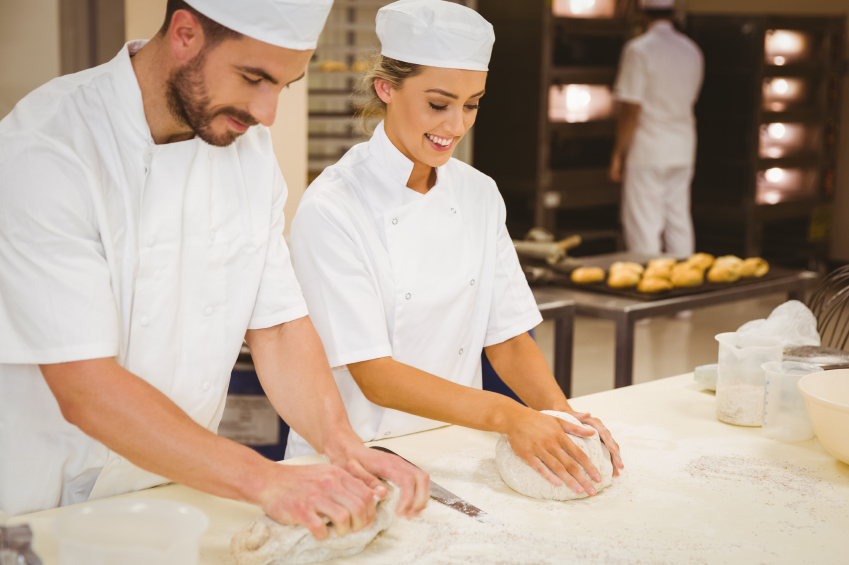
To people like Chad Clift and anyone who enjoys food, fresh ingredients is a no-brainer. But many customers would be surprised by how many restaurants settle for less than fresh food. Most wouldn’t serve you spoiled meat or fish, of course, but there are ways that restaurants can save on operating costs by buying refrigerated fish that has been sitting around for a time after it was caught. Japanese restaurant owners like Clift must take care to get their fish from the source just as soon after it has been caught out of the ocean as possible. This preserves the natural flavor of the fish and allows it to be fully appreciated by customers expecting fresh sushi.
Fresh fish isn’t always easy to come by. Sometimes local suppliers, even in Seattle, a place known for its fresh fish market, can be it with shortages at times. Chad Clift keeps his suppliers local and also has several options for his restaurant to buy from. He maintains these supply lines with relationships that he has formed over his many years in the industry. Clift learned during his days at the Oregon Culinary Institute and by working as an apprentice for a Thai restaurant chef in San Francisco that getting the freshest ingredients is all about maintaining trusting relationships with all of his suppliers, something that he takes very seriously.
Chad Clift encourages everyone interested in Japanese cooking to try it at home. But, he warns that the results won’t be you expect if you don’t’ commit to supporting local markets that always have the freshest ingredients. For all chefs in the Japanese tradition, fresh ingredients are what make their dishes what they are. Don’t try it without getting the freshest ingredients for your self first. Clift is currently enjoying running his own business while teaching his daughter the ropes of Japanese cooking as well.
Chad Clift - Three Essential Ingredients for Home Japanese Cooking
Chad Clift is the founder and head chef of a Japanese restaurant in Seattle called Futoji Aji. He is constantly looking for new ways to wow his customers with his spin on new and traditional Japanese dishes. Clift first drew and interest in Japanese cooking when his father, who is from Japan, taught him how to cook at home using traditional Japanese ingredients and methods. Over time, he discovered a talent for Japanese cooking that his mother, a local small business owner, helped him refine into a business model. He gathered experience at the Oregon Culinary Institute and later at a Thai restaurant in San Francisco, where he worked as an apprentice. He returned to Seattle to open his own Japanese restaurant and serve his dishes to his community.
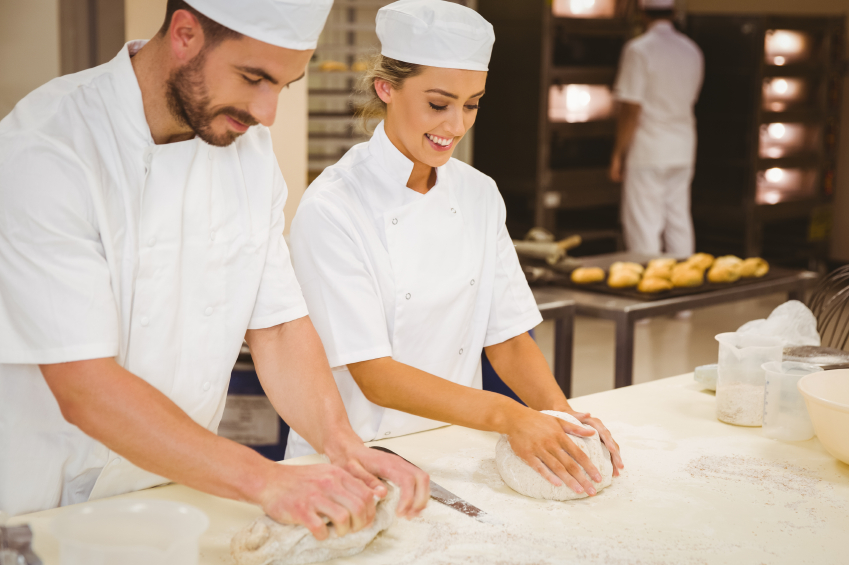
Chad Clift encourages everyone to cook at home, at least when they’re not dining at his restaurant, that is. He learned how to be an excellent chef and how to start a career in cooking at home and he encourages anyone else to do the same if they are passionate about cooking. He especially encourages people to try Japanese dishes in their homes to create new experiences and tastes for themselves. In order cook Japanese food at home the right way, you have to find the right ingredients. Here are three essential ingredients to excellent Japanese food in your own kitchen:
- Mirin. This is an essential condiment used in many Japanese dishes for any reasons. Chad Clift learned early in his life cooking with his dad that Mirin can be used to sweeten dishes, cut down the smell of fish dishes and to give some vegetables their signature shiny appearance. Mirin is a kind of rice wine similar to sake, but with much less alcohol content. It’s about 50% sugar.
- Fish stock powder. Hon Dashi, or fish stock powder is used in almost every Japanese meal much in the same way that chicken stock is used in many Western dishes. It adds a subtle flavor to many dishes. Think of miso soup. That dish is made with Hon Dashi, water, and fish stock alone. Almost all Japanese dishes call for Hon Dashi in one quantity or form or another. Make sure you stock up on this if you’re planning on cooking many Japanese meals.
- Japanese mayonnaise. Chad Clift says that you should be very careful about using mayonnaise in any Japanese dish, and to never think that Western mayonnaise is the same as Japanese mayonnaise. Japanese mayonnaise is nothing like Western mayonnaise made with eggs and has a spicy kick to it that makes it perfect for use in curries and the popular Japanese dish, Ebi mayo.
Chad Clift hopes you can try your own Japanese dishes at home with these ingredients.
Chad Clift - Three Essential Ingredients of Japanese Cooking
Chad Clift was raised practicing the basics of traditional Japanese cooking while growing up in Seattle, Washington. His father, who was born and raised in Japan, taught him everything he knows about traditional Japanese cuisine. As such, Clift became familiar with the basic ingredients of most Japanese dishes. He later learned in culinary school at the Oregon Culinary Institute in Portland how to challenge these traditions in a creative and productive way and bring in new ingredients to create bold, new tastes. Clift now works with complex and advanced dishes in his kitchen at his restaurant, Futoji Aji, in Seattle’s International District, but he learned the basics using the same ingredients that many people have in their home and use frequently.

Chad Clift wants to continue the traditional of Japanese cuisine. In addition to teaching his daughter Sadako how to cook in the traditional Japanese fashion, he also encourages everyone curious about Japanese cuisine to try it for themselves at home. In order to cook traditional Japanese meals with an authentic taste and texture, you have to first collect these three essential ingredients for Japanese cooking:
- Japanese Rice. Believe it or not, rice from different places in the world has different qualities. Japanese rice doesn’t have a particular smell as Thai or Jasmine rice does, and it’s sticky enough to be used in dishes such as sushi. Chad Clift says the first key ingredient to any kind of cuisine is to get the most authentic staple ingredient first and go from there. True Japanese rice is the first staple for Japanese cuisine.
- Japanese soy sauce. Again, Japanese soy sauce is different than soy sauce that is produced in other parts of the world. You will usually want soy sauce that has a deep black color. Some chefs also use Usukuchi soy sauce, which is lighter in color and saltier than others. Chad Clift grew up learning to distinguish between these different kinds of soy sauce and learning which flavors it can bring out in different dishes.
- Sake. A traditional Japanese rice wine, Sake is a delicacy to drink in Japanese restaurants. It is also used in Japanese cooking much in the same way that white wine is used in many European cuisines. If you’re preparing Japanese meals at home, you’ll find that sake is called for in many recipes as you find more advanced dishes.
Chad Clift has built his restaurant’s menu on his devotion to the Japanese cooking tradition that he learned from his father and on his willingness to experiment with new dishes and tastes to create a unique experience at Futoji Aji, his restaurant in Seattle. He hopes that more people try Japanese cooking in their homes and bring their newfound tastes to his restaurant.
Chad Clift - Why Scuba Classes are at Your Own Pace
Chad Clift did everything he could to pass his scuba classes and become a certified diver as quickly as possible. He took the online basic knowledge course ahead of time, he completed all the tests and answered all the questions he knew he had to ask before he signed up for classes including, is he healthy enough to do this? Does he have time, etc.? All of these things are recommended by scuba instructors around the world. Clift wanted to scuba dive because he wanted to explore the underwater marvels of his surroundings on Washington’s Olympic Peninsula. He wanted to get in the water as quickly as he could to explore both the deep waters off of Washington’s coast and the unique habitats of Puget Sound. He would only learn later that it’s best to learn at your own pace.

In order to earn your scuba certification, you have to pass a test for certification and complete a certified course in scuba diving, usually provided by your local diving or surf shop. Chad Clift signed up for the class thinking that he would be able to pass the class without much trouble. He struggled for the first several days, however. Finding your breath and learning how to deal with the underwater pressure pushing down on you and your lungs is hard work. Chad Clift had to stay behind most of the other classmates and learn on his own time. His instructors were very patient, however, and helped him through all the necessary and difficult physical skills he had to learn, and he was very grateful for this when he dove unassisted for the first time.
Chad Clift lives and works in Mossy Rock.
Chad Clift - How to Find the Perfect Ingredients
Chad Clift is the owner of the Japanese restaurant in Seattle called Futoji Aji. Located in the International District, Futoji Aji has long been known as a place where Japanese food purists will find their favorite dishes and those seeking newer twists on Japanese cuisine will also be satisfied. Clift was trained in his home with his father as a boy in Japanese culinary traditions before he moved away from his home in Seattle to Portland, where he attended the Oregon Culinary Institute. He had earned a scholarship to attend the culinary school and there he learned how to blend in his own twists on traditional Japanese fare by combining the principles from many different culinary traditions from around the world.
.jpg?timestamp=1465196293480)
Chad Clift today constantly travels the world looking for new sources of ingredients for his menu at Futoji Aji. He always looks for the freshest ingredients grown by local farmers or producers in the many regions he visits. Clift, as a rule always tries to track ingredients back to their source to buy directly from their producers. This ensures that the products he uses for his ingredients for his dishes are the freshest they can be and the most useful for his menus. Working directly with producers themselves also saves on costs because he avoids the markups that many distributors charge. Clift also seeks out local markets in the places he visits, to find ingredients fresh from the farms. He wants to ensure that he pays the producers themselves for their products whenever possible.
Chad Clift puts his ingredients first on his priorities list because, as any chef knows, the ingredients are the foundation to any delicious meal in any culinary tradition. Clift has many years of experience blending ingredients found in many different traditional dishes around the world, boosting his knowledge of many other culinary traditions and allowing him to borrow from them to help his own dishes at his restaurant in Seattle. In a city full of many different Asian restaurants of all kinds, distinguishing his restaurant has been a challenge, but with his intrepid attitude and his willingness to include the best, freshest ingredients to all of his dishes, has kept Futoji Aji on the map for Asian food connoisseurs in the area. By working with many farmers and ranchers from all over the world directly, he keeps his ingredients fresh and high-quality at all times.
From his foundation in always getting the best ingredients directly from food producers and by keeping his menu fresh and new, Chad Clift has boosted his standing in the local culinary community in Seattle. He encourages everyone to seek out the freshest ingredients possible for their home cooking or their restaurants.
Chad Clift - Three Tips for Skydivers
Chad Clift has many years of experience as the head chef, founder, and owner of Swanky’s in Mossy Rock, Washington, a community five-star restaurant catering to everyone in the small community on the Olympic Peninsula. Clift also has many years of experience jumping out of planes. He has been a skydiver for many years, and he says that the experience helps him relax from his day job and take the stress away. He recommends it to everyone, but he also wants to offer his three top tips of advice:

- Be prepared to wear ridiculous clothing. Most skydiving companies, including the one that Chad Clift patronizes the most, make their customers wear dorky-looking jumpsuits when they skydive. Most skydiving instructors tell their charges that they help with drag or lift. In reality, they don’t, but dressing up in dorky outfits is part of the skydiving experience. Embrace it.
- The fall will always be terrifying. Chad Clift says that he never got used to falling out of a plane, but it’s the kind of terrifying sensation that makes you want to go back up in the plane and do it again when you’re on the ground.
- The view matters. Clift loves to skydive near his home in Mossy Rock, Washington because of the views of Puget Sound, the forest below, and the water and the mountains beyond. Where you go skydiving matters for those few minutes after your free fall and after your instructor pulls the chute. You can glide down and look at everything below you.
Chad Clift hopes that he can continue skydiving near Mossy Rock long into the future.
Chad Clift - Three Tips for Getting into the Food Industry
Chad Clift dreamed of being a chef for a top restaurant in New York City since he was a boy growing up in Mossy Rock, Washington. Clift wanted to travel the world, using his skills in the kitchen to bring new tastes to people’s lips everywhere he went. Mossy Rock is a small town, and like most small towns, the kids grew up dreaming of leaving it behind. But Clift found that the most rewarding thing he could do with his experience in the kitchens of New York City as a pupil in Le Cordon Bleu College of Culinary Arts was give his hometown a taste of the good life. He founded Swanky’s in Mossy Rock soon after he graduated from Le Cordon Bleu. Here are his three tips for breaking into the food industry:
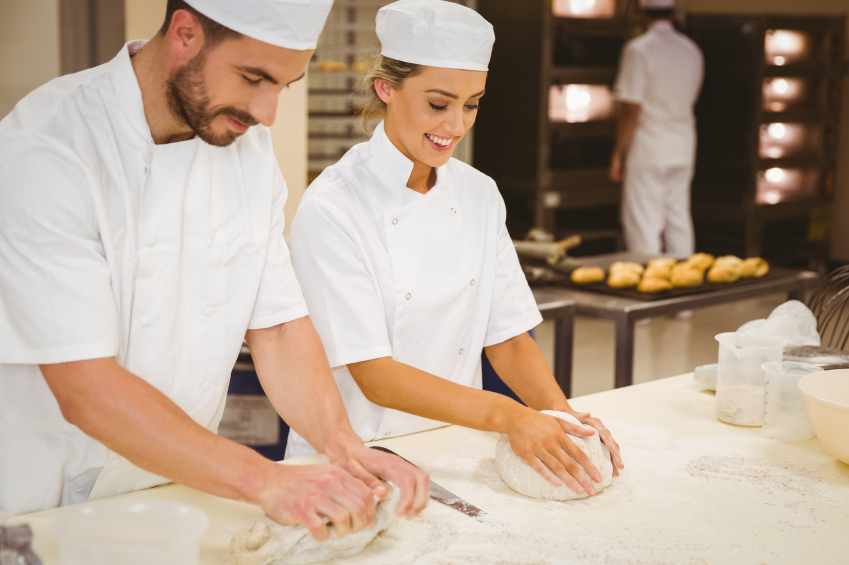
- Get into the kitchen. The most important thing you can do to break into the food industry and become a chef is to build experience as quickly as you can. Chad Clift had to gain experience before he could enroll in Le Cordon Bleu. He started working in greasy spoons to build his experience gradually.
- Get internships or apprenticeships. Fortunately for Chad Clift, he was connected to excellent apprenticeships during his time at Le Cordon Bleu. He took advantage of those opportunities and earned the trust and confidence of several of New York’s top chefs.
- Seek out additional certifications. Getting experience in the food industry is only valuable if you can learn how to do many different cuisines. Getting certified in as many culinary skills as possible proves you are proficient in them.
Chad Clift lives and works in Mossy Rock, Washington.
Chad Clift - Founder of Swanky’s
Chad Clift is the owner of Swanky’s, a restaurant in his hometown of Mossy Rock, Washington that is well-known among the townsfolk and the surrounding area in Washington for its big city flair and tastes mixed with its small town charm. Clift was trained at the Le Cordon Bleu College of Culinary Arts in New York City, but he returned home to help his town build its very own culinary scene. Clift shocked his colleagues in New York and his instructors at Le Cordon Bleu when he made this decision because they all remarked at his talent in the kitchen. But Clift wanted to give back to the people that supported him throughout his life the chance to dine like New York socialites.
.jpg?timestamp=1462962398043)
Chad Clift founded Swanky’s to be a community restaurant, where everyone who is hungry can be fed. He didn’t want to turn people away at the door or exclude anyone who didn’t fit the mold of a certain look that many upscale restaurants in New York try to cultivate. He didn’t want anyone excluded or cast out. Chad Clift instead made Swanky’s services available to anyone who was willing to work for a plate and to anyone in the area who wanted a gourmet meal cooked by a professional chef trained in New York. This has led to everyone in the community of Mossy Rock, where Clift is from, eating side-by-side. He believes his restaurant has brought the community together.
Chad Clift carries the standard of community and togetherness with him everywhere he goes. His Swanky’s is a study in how a business can create a safe and supportive community.
Chad Clift and His Passion for Sushi
One of Chef Chad Clift's favorite foods to prepare and eat is sushi. This Japanese seafood staple is one of the many offerings at his new Seattle Restaurant. Not all seafood uses raw fish, and some variations are completely vegetarian. Sushi is the type of cuisine that is open to interpretation, or the whim of the Chef who is creating it.
.jpg?timestamp=1457516774859)
Sushi has one common characteristic that crosses all of its many forms, and that is the use of rice. Sushi rice, also known as sticky rice, is prepared in a certain way to create a product that holds together. The proper creation of sushi rice is labor intensive. After the brown or white rice is steamed, rice wine vinegar is added and the rice is stirred with a paddle to cool it while creating a unique texture.
Sushi may be served in many different ways. The most common method used in many restaurants around the world is Maizushi, or the sushi roll. In this method, sticky rice and a combination of fish and/or vegetables are rolled in nori and sliced into circles. In Japan, the birthplace of sushi, it is actually more common to eat sushi as Chirashizushi. Through this preparation, a bed of sushi rice is spread across the bottom of a bowl and then layers of thin sliced raw fish are fanned on the top. Chad Clift loves all forms of sushi from the more conventional to the creative Western variations that have become popular.
Chad Clift and His Love of the Seattle Dog
Seattle restaurant owner and Chef, Chad Clift, likes a hot dog just as much as the next American. However, in his home city, the Seattle Dog is a different beast altogether. For nearly four decades, the Seattle Dog has grown to become a regional variation on a traditional American fast food. This Washington state take on the standard hot dog has one stark difference to the dogs sold in places like New York, and that is the addition of cream cheese.
.jpg?timestamp=1456996726572)
For the ultimate Seattle Dog experience, visitors to the state need only walk down any downtown street. Vendors selling these ingenious fast food items are found everywhere. If street food is not to your liking, you can also find the Seattle Dog in most pubs and bars, and at every Washington sports arena. Just as deep dish pizza is the food to eat in Chicago, and Poutine is the national dish of Montreal, the Seattle Dog rules in Seattle.
Chef Chad Clift says that a true Seattle Dog starts out with a Polish sausage, sliced length-wise, that has been grilled to perfection. This crisp, yet juicy, cut of meat is then placed on a toasted bun. A generous ribbon of cream cheese is painted along the length of the dog. The cream cheese is the ideal consistency for melting down the sides of the sausage. Clift then likes to add grilled onions, cabbage, and Sriracha sauce to the tops of his Seattle Dogs.
Chef Chad Clift Offers Tips for Increasing Your Daily Fiber
Though working as a Chef in Seattle gives Chad Clift a wide creative license toward menu planning and recipe creation, he has never lost sight of the importance of healthy eating. While some of his more extravagant creations may lean toward the indulgent, his primary focus has always been on developing meals for patrons that are delicious and nutritious. He understands that a high fiber intake is beneficial for everyone, and tries to add fiber to his menu where possible. For people at home who are struggling to increase their daily fiber intake, he offers these tips.
.jpg?timestamp=1456378909737)
Increasing fiber can be as simple as switching some of your common foods for high fiber alternatives. This means that the white rice, white breads, and traditional pastas you eat normally, can be traded for high fiber varieties. Instead of these “white” foods, choose brown rice, whole wheat pasta, and whole wheat breads. Clift's next recommendation is that you eat plenty of fresh vegetables and fruits. All produce contains fiber naturally, especially apples and berries.
Starting your morning off with a large dose of fiber will set your metabolism up for the rest of the day. The easiest way to do this is to eat a breakfast that is fiber-packed. Choose whole grain cereals that are high in fiber. If those high fiber cereals do not appeal to your taste buds, Chad Clift says that you can eat your normal cereal and add in a few spoonfuls of ground flaxseed or unprocessed wheat bran.
Chad Clift Advocates Meatless Mondays
As a chef in the Seattle area, Chad Clift follows the latest food trends and fads. One of these popular trends allows people who aren't full-fledged vegetarians to skip eating meat one day per week, in an effort to be healthier. This is now accomplished through something called Meatless Mondays. Clift likes to use this method at home, to increase his nutritional intake and decrease his fat and cholesterol consumption.
.jpg?timestamp=1455964738850)
There are many different ways a person can have a Meatless Monday. Some people prefer to eat meatless soups, salads, or sandwiches. Others, like Clift, adore the rice bowl. Rice bowls are completely open to interpretation and what items you may have on hand. Many busy adults find that making rice bowls are one of the healthiest ways to use leftovers that are crowding the refrigerator. The base of any rice bowl is, you guessed it, rice. Clift advocates the use of brown rice whenever possible, as the whole grain is healthier for you than white rice. However, even a rice bowl made with white rice can be a healthy Meatless Monday meal.
To make his rice bowls more interesting and delicious, he tops them with an assortment of vegetables and meatless proteins. Sometimes his rice bowls have a more Asian flair, with shitake mushrooms and snow peas, other times he uses Latin ingredients such as bell peppers and black beans. There is no limit to the ways they can be created. To add extra protein to this meatless meal, Chad Clift adds peanuts or a fried egg on top.
Why Chef Chad Clift Loves Asian Food
Chad Clift got his first taste of cooking from his Japanese father, who taught him how to make a California roll at the age of twelve. Throughout his cooking career, he has always been particularly intrigued by Asian flavors as a way to connect with his heritage, and he currently works in Asian fusion restaurants in the Seattle area. He has also been fortunate enough to travel to several different cultures in Asia and experience their food firsthand. These trips have given him inspiration for his work back home in Seattle. While Clift loves food from around the world, he encourages everyone to try Asian dishes.
.jpg?timestamp=1455610024537)
Just as in any other diet, Asian food has health benefits and health risks. However, Asian food is a great way for westerners to incorporate ingredients in their diet that they may tend to overlook. Asian dishes contain high amounts of vegetables and fruits, which many Americans do not eat enough of. They also have plenty of sources of protein other than red meat, such as beans and fish, which can be a great replacement for a burger. Finally, Asian food is often served in smaller portion sizes than American dishes, which can encourage weight loss.
Clift is also passionate about Asian food because of the wide variety of flavors used. Depending on the type of Asian food, the dishes may incorporate spicy, salty, sweet, savory, or sour flavors. Chad Clift loves working with these delectable flavors in the dishes that he serves at his restaurants.
Favorite Easy Appetizers of Chef Chad Clift
Successful Seattle-based chef Chad Clift had been cooking since he was a young teenager, and currently works in Asian fusion restaurants in the Seattle metropolitan area. One of his favorite things to make, both at work and at home, are appetizers. He finds that they are great for parties and family gatherings especially, because they are not too difficult to make and they are easy for guests to munch on while chatting away.
.jpg?timestamp=1454928907977)
For an appetizer that looks elegant but is actually very simple to make, Clift goes for some crostini. There are many different ways to serve crostini – sometimes Clift opts for tomatoes and cheese as in traditional Italian cooking, and other times he opts to make use of Seattle’s amazing seafood selection and uses salmon, trout, tuna, or other fish with a vegetable or herb. Crostini is also very healthy and not overly filling.
Since he specializes in Asian food, Clift also particularly enjoys making egg and spring rolls and serving them with his own savory dipping sauce or soy sauce. This is a good choice for parties, because they can be adapted to many different kinds of dietary needs; they can be made with only vegetables and rice, or they can include chicken, pork, or another light meat. Another great Asian appetizer is a pot sticker or dumpling. These can also contain a wide variety of ingredients and are traditionally served with soy sauce, and are particularly delectable when pan-fried or steamed. Chad Clift enjoys making these small bites and putting his own take on their traditional recipes.
Chad Clift - The Rise of Fusion Restaurants
Chef Chad Clift specializes in fusion cuisine, specifically Asian-American fusion. He was born to a Japanese father and American mother, and both had a huge influence on his taste in food and his interest in cooking. He currently works in two Asian-American fusion restaurants in the Seattle area, and enjoys the challenge of effectively blending flavors and cultures in a way that is appealing to a wide range of people. Over the past few decades, fusion cuisine has become increasingly popular, and Clift has used this trend to his advantage.
.jpg?timestamp=1454306969234)
The idea of fusion cuisine is not a new one. Cultures have been borrowing culinary ideas from each other for centuries, and many of our favorite dishes would not exist if cultures hadn’t shared their ideas about cooking and flavor with each other. The modern idea of fusion food and the fusion restaurant began in the 1980’s with chefs like Wolfgang Puck, who combined Asian flavors with European cooking techniques to create his own style of food. Fusion restaurants have boomed in popularity since then, and are particularly popular with younger and more adventurous audiences. Many people also enjoy fusion restaurants because they are a ‘safe’ way to try new cuisines. By going to a restaurant that blends an unfamiliar style of food with one you love, it is less intimidating to try something new and different.
Chef Chad Clift believes that with global travel becoming easier all the time, and the market for food becoming more universal, fusion food is sure to continue to grow in popularity.
Chad Clift - Cooking Diversely
Chef Chad Clift is known for his skill in a wide variety of cuisines. He has worked primarily in Asian and Asian fusion restaurants, but also has trained in cuisines from all over the world during his time at the Oregon Culinary Institute. As someone who is passionate about travel, he has been lucky enough to experience many of these flavors firsthand, and uses the foods he has tasted on his travels as inspiration. In his work as a chef in Seattle, he has noticed that many people stick to just one or two favorite types of foods. However, he believes in the value of cooking and eating diversely.
.jpg?timestamp=1452769842043)
In school, Clift trained in cuisines from every part of the world, from Europe to South America to Africa, although he specializes in Asian cuisines as that is his passion. Each different cuisine uses different ingredients and flavors, and they can provide more nutrients than eating just one type of food does. For example, Italian food uses a lot of starches, bread, and oil, whereas Thai food consists more of vegetables, meat, and rice. Eating just one type of food can be very limiting. Eating a wide variety of food is also a great way to gain a better understanding of cultures other than one’s own. Many people do not get the chance to travel abroad, but they can experience the food of different cultures by trying out new restaurants or working from ethnic cookbooks. Chad Clift continues to try foods from around the world and encourages his friends and family to do so as well.